|
Colon & Rectal Cancer Specialist

Expert Colon & Rectal Cancer Care in Dehradun

Receive advanced diagnosis, personalized treatment, and expert surgical care for colon and rectal cancer from Dr. Ajeet Tiwari, dedicated to improving outcomes through evidence-based oncology.

Get Consultation

Fill out the form and our team will contact you shortly.

Colon and Rectal Cancer Awareness

Colon & Rectal Cancer Treatment in Dehradun - Dr. Ajeet Tiwari

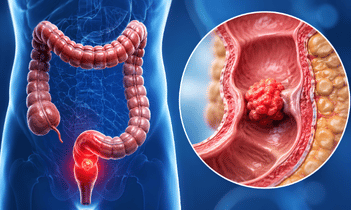
Colon and rectal cancer, collectively known as colorectal cancer, is one of the most common cancers affecting the digestive system. It develops when abnormal cells grow uncontrollably in the lining of the colon (large intestine) or rectum, forming tumors that may spread to nearby tissues or other parts of the body if not treated in time.

In many cases, colorectal cancer begins as small, non-cancerous polyps that gradually develop into cancer over time. Since these polyps often do not cause noticeable symptoms in the early stages, regular screening is essential for detecting and removing them before they become cancerous.

Early diagnosis significantly improves the chances of successful treatment and long-term survival. If you experience symptoms such as persistent changes in bowel habits, rectal bleeding, unexplained weight loss, abdominal pain, or fatigue, prompt medical evaluation is recommended. Modern treatment options, including advanced surgery, chemotherapy, targeted therapy, and personalized cancer care, offer excellent outcomes when the disease is detected early.

Symptoms of Colon & Rectal Cancer

Colon and rectal cancer may not show symptoms in the early stages. If you experience any of these warning signs for more than a few weeks, seek medical advice immediately.

Persistent Changes in Bowel Habits

Ongoing constipation, diarrhea, or noticeable changes in bowel movements.

Blood in Stool

Blood during bowel movements should always be evaluated by a specialist.

Abdominal Pain or Cramping

Frequent abdominal pain, bloating, discomfort, or persistent cramps.

Unexplained Weight Loss

Losing weight unexpectedly without changes in diet or physical activity.

Fatigue & Weakness

Persistent tiredness, weakness, or lack of energy without any obvious reason.

Constipation or Diarrhea

Digestive symptoms lasting several weeks should not be ignored.

Feeling That the Bowel Does Not Empty Completely

A constant feeling of incomplete bowel emptying after passing stool may indicate a serious condition and requires prompt medical evaluation.

Risk Assessment

Causes & Risk Factors

Age above 45 years
Family history of colorectal cancer
Colon polyps
Inflammatory bowel disease
Smoking and alcohol consumption
Obesity
Low-fiber, high-fat diet
Physical inactivity

Advanced Diagnosis

Accurate and timely diagnosis is the cornerstone of effective cancer treatment. Dr. Ajeet Tiwari recommends advanced diagnostic techniques to precisely identify the presence, stage, and spread of colorectal cancer.

Colonoscopy

A detailed examination of the colon and rectum using a flexible camera to detect polyps, tumors, or abnormal tissue.

Biopsy

A small tissue sample is collected and examined under a microscope to confirm the presence of cancer cells.

CT Scan

Provides detailed cross-sectional images to determine the size, location, and spread of colorectal cancer.

MRI Scan

Produces highly detailed images, especially useful for evaluating rectal cancer before treatment.

PET-CT Scan

Detects active cancer cells and helps identify whether the disease has spread to other organs.

Blood Tests

Routine blood investigations help assess overall health, anemia, and organ function before treatment.

CEA Tumor Marker

Measures carcinoembryonic antigen (CEA) levels to monitor treatment response and detect recurrence.

Histopathological Examination

Laboratory analysis of biopsy tissue confirms the cancer type, grade, and guides treatment planning.

Why Choose Us

Why Choose Dr. Ajeet Tiwari?

Dr. Ajeet Tiwari provides comprehensive colorectal cancer care with advanced surgical expertise, modern diagnostics, and a patient-first approach to achieve the best possible outcomes.

Experienced Surgical Oncologist

Extensive expertise in diagnosing and treating colon and rectal cancers using advanced surgical techniques.

Personalized Treatment Plans

Every patient receives a customized treatment plan based on their cancer stage and overall health.

Advanced Cancer Surgery

Offering minimally invasive and advanced surgical procedures for improved recovery and outcomes.

Multidisciplinary Cancer Care

Collaborative care involving surgeons, oncologists, radiologists, and pathology specialists.

Evidence-Based Treatment

Following internationally accepted cancer treatment protocols and the latest clinical guidelines.

Compassionate Patient Care

Providing emotional support, clear communication, and patient-focused care throughout treatment.

Modern Diagnostic Facilities

Access to advanced imaging, pathology, and diagnostic technologies for accurate cancer evaluation.

Comprehensive Follow-Up Care

Regular follow-up consultations to monitor recovery, detect recurrence early, and support long-term health.

Frequently Asked Questions

Find answers to common questions about colon and rectal cancer diagnosis, treatment, surgery, and recovery.

Yes. When diagnosed at an early stage, colon cancer is highly treatable. Surgery, along with chemotherapy or other therapies when required, offers excellent treatment outcomes for many patients.

Colon cancer develops in the large intestine (colon), while rectal cancer occurs in the rectum, the last part of the large intestine located just before the anus. Together, they are known as colorectal cancer.

Surgery is the primary treatment for most patients with colorectal cancer. Depending on the stage of the disease, it may be combined with chemotherapy, radiation therapy, or targeted treatments.

Recovery time depends on the type of surgery and the patient's overall health. Most patients undergoing minimally invasive surgery can gradually return to their normal activities within a few weeks.

While not all cases can be prevented, regular colorectal cancer screening, maintaining a healthy diet, exercising regularly, avoiding tobacco, limiting alcohol consumption, and removing precancerous colon polyps can significantly reduce the risk.