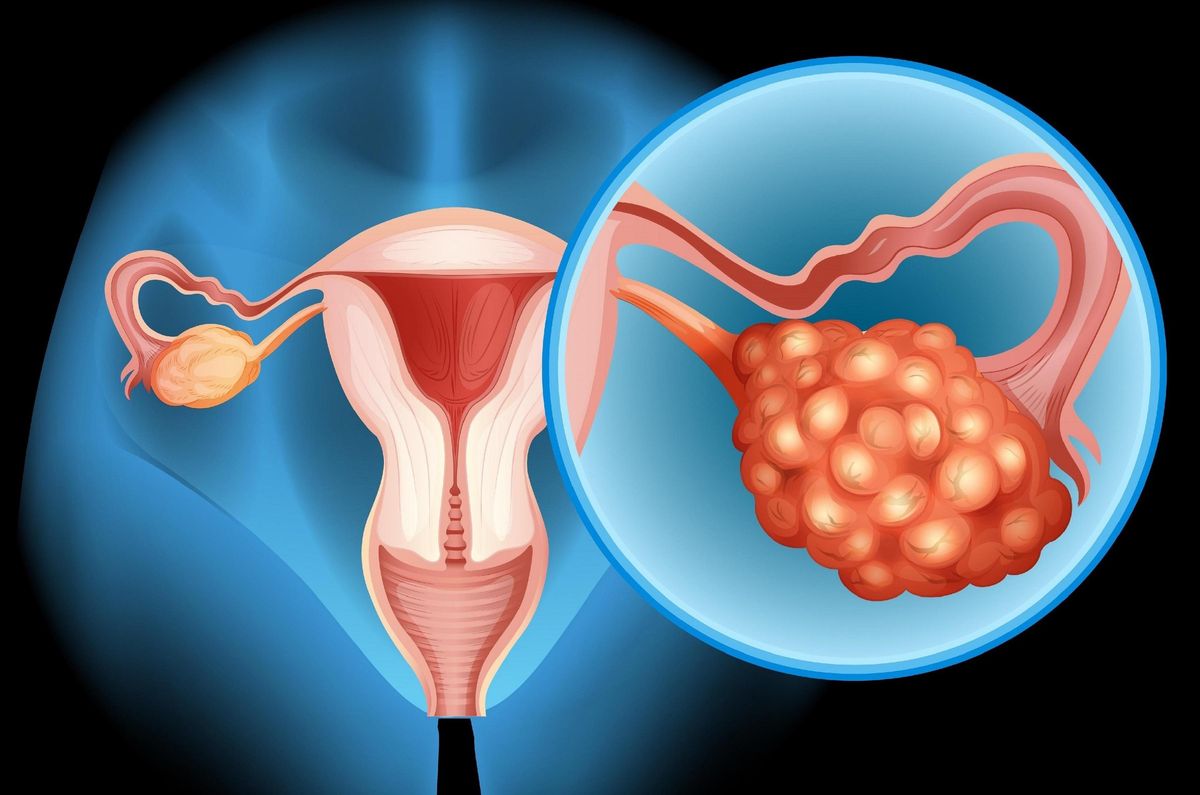
Ovarian cancer is notoriously difficult to catch early because its symptoms—bloating, pelvic discomfort, changes in appetite—overlap heavily with far more common and less serious conditions. Many patients in Dubai are diagnosed only after imaging done for another reason picks up a mass, which means the first real conversation about treatment often starts with more advanced disease than anyone expected, and with a lot of decisions to make quickly.
Fill out the form and our team will contact you shortly.
Ovarian cancer is notoriously difficult to catch early because its symptoms—bloating, pelvic discomfort, changes in appetite—overlap heavily with far more common and less serious conditions. Many patients in Dubai are diagnosed only after imaging done for another reason picks up a mass, which means the first real conversation about treatment often starts with more advanced disease than anyone expected, and with a lot of decisions to make quickly.
Dr. Ajeet Tiwari is an MCh surgical oncologist who reviews ovarian cancer cases for patients in Dubai, explains what the imaging and tumor marker results actually mean, and sets out a clear surgical and chemotherapy plan once staging is complete.
This page covers what that process involves, including the genetic testing and fertility questions that come up most often.
Diagnosis typically combines a pelvic ultrasound or CT scan with a blood test for the CA-125 tumor marker, though CA-125 alone is not diagnostic and is interpreted alongside imaging findings, not in isolation. Formal staging, based on the FIGO system, is usually only confirmed during surgery itself, since it depends on exactly how far the cancer has spread within the pelvis and abdomen, which imaging alone cannot always show with certainty.
The ovaries sit deep in the pelvis, and early tumors rarely cause symptoms specific enough to prompt urgent investigation. This is simply a feature of the disease, not a sign that anything was missed, and it is exactly why a thorough surgical and staging plan matters more here than in cancers that are typically caught earlier.
BRCA1 and BRCA2 gene testing is now a standard part of ovarian cancer workup, since a meaningful proportion of cases are linked to inherited mutations in these genes. A positive result affects treatment choices, including eligibility for certain targeted maintenance therapies after chemotherapy, and also has implications for family members who may wish to be tested.
| Test | What It Tells the Treating Team |
|---|---|
| CA-125 blood test | A tumor marker used alongside imaging to support diagnosis and monitor treatment response over time |
| BRCA1 / BRCA2 genetic testing | Whether the cancer is linked to an inherited mutation, which can affect treatment choices and family screening |
| FIGO surgical staging | Confirms exactly how far the cancer has spread, established during the operation itself |
| Histopathology of removed tissue | Confirms the exact cancer subtype, which shapes chemotherapy drug selection |
The main surgical goal in ovarian cancer, known as debulking or cytoreductive surgery, is to remove as much visible tumor as possible, since the amount of cancer left behind after surgery is one of the strongest predictors of how well chemotherapy will work afterward. Depending on the extent of disease, this can involve removal of the ovaries, uterus, and sometimes portions of nearby organs or the lining of the abdomen.
| Stage at Diagnosis | Typical Surgical Approach |
|---|---|
| Early stage, confined to one or both ovaries | Surgery to remove the ovaries and surrounding tissue, sometimes with fertility-preserving options |
| Locally advanced, spread within the pelvis or abdomen | Full debulking surgery to remove all visible disease where possible |
| Extensive disease at diagnosis | Chemotherapy first to shrink the tumor, followed by interval debulking surgery |
For younger patients with early-stage disease confined to one ovary, it is sometimes possible to preserve the uterus and the unaffected ovary, keeping fertility intact while still treating the cancer appropriately. This is only suitable for a specific subset of cases and is discussed openly during staging, rather than assumed to be an option for everyone.
Chemotherapy is combined with surgery in most ovarian cancer cases, either after debulking surgery to eliminate remaining microscopic disease, or before surgery when the extent of disease makes an upfront operation less safe or effective.
This is the more common sequence for early to moderately advanced disease, where debulking surgery is performed first and chemotherapy follows to reduce the chance of recurrence.
For more extensive disease at diagnosis, chemotherapy is sometimes given first (neoadjuvant) to shrink the tumor burden, making a subsequent, more complete debulking surgery safer and more effective.
Cost depends on the extent of surgery required, whether chemotherapy is given before or after the operation, and how many cycles are needed. A written cost estimate covering surgery, hospital stay, and the chemotherapy plan is provided once staging is complete.
The same review process is available to patients researching ovarian cancer treatment from Riyadh, Jeddah, and Kuwait. Existing imaging, CA-125 results, and any genetic testing already done can be sent for review, followed by a video consultation to discuss the surgical and chemotherapy plan.
Send your imaging reports, CA-125 results, and any biopsy or genetic testing already completed through the online second opinion page. You will receive a clinical review followed by a video call to discuss staging, the surgical plan, and whether chemotherapy would come before or after surgery in your case.
Find answers to common questions about ovarian cancer surgery, debulking, BRCA testing, fertility preservation, and international patient care.