|
Ovarian Cancer Specialist

Advanced Ovarian Cancer Treatment with Expert Surgical Care

Early diagnosis and specialized treatment are essential for improving outcomes in ovarian cancer. Dr. Ajeet Tiwari provides comprehensive evaluation, advanced ovarian cancer surgery, and personalized treatment plans to help patients receive the highest standard of ovarian cancer care in Dehradun.

Get Consultation

Fill out the form and our team will contact you shortly.

Ovarian Cancer Treatment in Dehradun - Dr. Ajeet Tiwari

Ovarian Cancer Treatment in Dehradun - Dr. Ajeet Tiwari

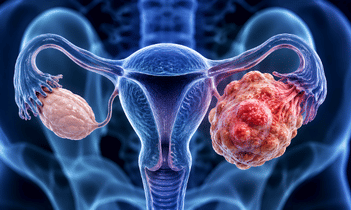
Ovarian cancer develops when abnormal cells grow uncontrollably in one or both ovaries, the reproductive organs responsible for producing eggs and female hormones. It is often called a "silent disease" because early-stage ovarian cancer may not cause noticeable symptoms. As the disease progresses, it can spread within the abdomen and to nearby organs, making early diagnosis and expert treatment essential for achieving better outcomes.

Common symptoms of ovarian cancer include persistent abdominal bloating, pelvic pain, feeling full quickly while eating, frequent urination, loss of appetite, unexplained weight loss, fatigue, and changes in bowel habits. Since these symptoms may also occur with non-cancerous conditions, women experiencing persistent symptoms should seek prompt medical evaluation.

Dr. Ajeet Tiwari provides comprehensive ovarian cancer treatment in Dehradun with accurate diagnosis, advanced staging, personalized surgical treatment, and multidisciplinary cancer care. Depending on the stage and type of ovarian cancer, treatment may include cytoreductive (debulking) surgery, minimally invasive surgery, chemotherapy, targeted therapy, immunotherapy, or a combination of treatments. Every treatment plan is tailored to the patient's individual condition to ensure the best possible clinical outcomes and improved quality of life.

Patients searching for the best ovarian cancer doctor in Dehradun, an experienced ovarian cancer specialist in Dehradun, or the best surgical oncologist in Dehradun can rely on Dr. Ajeet Tiwari for expert care, evidence-based treatment, and compassionate support throughout their cancer journey.

Symptoms of Ovarian Cancer

Ovarian cancer is often called the "silent disease" because its symptoms can be subtle and easily mistaken for common digestive or urinary problems. If these symptoms persist for more than two weeks, consult Dr. Ajeet Tiwari for an accurate diagnosis and timely treatment.

Persistent Abdominal Bloating

Continuous abdominal bloating or swelling that does not improve may be an early sign of ovarian cancer.

Pelvic or Abdominal Pain

Persistent pain, pressure, or discomfort in the pelvic or abdominal region should be medically evaluated.

Feeling Full Quickly

Feeling full after eating only a small amount of food can be an early symptom of ovarian cancer.

Frequent Urination

An increased urge to urinate or frequent urination without infection should be assessed.

Loss of Appetite

A persistent decrease in appetite or reduced interest in eating may indicate an underlying condition.

Unexplained Weight Loss

Unexpected weight loss without changes in diet or exercise should always be investigated.

Fatigue and Weakness

Persistent tiredness, weakness, or low energy levels may be associated with ovarian cancer.

Changes in Bowel Habits

Persistent constipation, diarrhea, or other bowel changes should not be ignored.

Back Pain

Unexplained lower back pain that persists over time may be related to advanced ovarian cancer.

Menstrual Irregularities

Some women may experience changes in their menstrual cycle or abnormal vaginal bleeding.

Risk Assessment

Causes & Risk Factors of Ovarian Cancer

Increasing Age
Family History of Ovarian or Breast Cancer
BRCA1 & BRCA2 Gene Mutations
Lynch Syndrome
Endometriosis
Obesity
Never Having Been Pregnant
Hormonal Factors
Personal History of Breast Cancer

Advanced Diagnosis of Ovarian Cancer

Early and accurate diagnosis plays a vital role in the successful treatment of ovarian cancer. Dr. Ajeet Tiwari uses advanced diagnostic techniques to determine the type, stage, and extent of ovarian cancer, allowing for personalized treatment planning and the best possible clinical outcomes.

Pelvic Examination

A detailed pelvic examination helps identify abnormal masses, ovarian enlargement, or other suspicious findings.

Transvaginal Ultrasound (TVS)

Transvaginal ultrasound provides detailed images of the ovaries and pelvis to detect ovarian masses or cysts.

CA-125 Blood Test

This blood test measures CA-125 levels, a tumor marker that may be elevated in many women with ovarian cancer.

CT Scan

CT imaging helps evaluate the size of the tumor and determine whether the cancer has spread within the abdomen or beyond.

MRI Scan

MRI provides highly detailed soft tissue images to assess ovarian tumors and surrounding pelvic structures.

PET-CT Scan

PET-CT detects active cancer cells and helps identify whether ovarian cancer has spread to other organs.

Image-Guided Biopsy

A tissue sample is collected using imaging guidance to confirm the diagnosis and identify the type of ovarian cancer.

Histopathological Examination

Microscopic analysis of the biopsy confirms the diagnosis, tumor subtype, grade, and helps guide treatment decisions.

Genetic Testing

When indicated, genetic testing for BRCA1, BRCA2, and other inherited mutations helps guide treatment and family risk assessment.

Why Choose Us

Why Choose Dr. Ajeet Tiwari?

Patients looking for the best ovarian cancer doctor in Dehradun trust Dr. Ajeet Tiwari for his expertise in advanced surgical oncology, ovarian cancer surgery, and personalized cancer care designed to achieve the best possible treatment outcomes.

Experienced Surgical Oncologist

Extensive expertise in diagnosing and treating ovarian cancer using advanced surgical oncology techniques.

Advanced Ovarian Cancer Surgery

Specialized expertise in performing complex ovarian cancer surgeries with a focus on optimal clinical outcomes.

Personalized Treatment Plans

Individualized treatment strategies based on the cancer stage, overall health, and each patient's specific needs.

Evidence-Based Cancer Care

Treatment plans follow internationally accepted guidelines and the latest advances in ovarian cancer care.

Multidisciplinary Treatment Approach

Collaborative care involving surgical, medical, and radiation oncologists, radiologists, and pathologists.

Advanced Diagnostic Facilities

Access to modern imaging, pathology, laboratory, and genetic testing for accurate diagnosis and staging.

Comprehensive Chemotherapy Planning

Well-coordinated chemotherapy planning integrated with surgery and targeted therapies for the best outcomes.

Compassionate Patient Care

Dedicated support, clear communication, and compassionate guidance throughout every stage of treatment.

Long-Term Follow-Up

Regular follow-up visits to monitor recovery, detect recurrence early, and support long-term health.

Focus on Faster Recovery & Better Outcomes

Modern treatment strategies aimed at minimizing complications, promoting faster recovery, and improving quality of life.

Frequently Asked Questions

Find answers to common questions about ovarian cancer, its diagnosis, treatment, surgery, and recovery.

Persistent abdominal bloating, pelvic pain, loss of appetite, feeling full quickly while eating, frequent urination, and unexplained fatigue are among the most common early symptoms of ovarian cancer. Women experiencing persistent symptoms should seek prompt medical evaluation.

Yes. When diagnosed at an early stage, ovarian cancer can often be treated successfully with surgery along with appropriate chemotherapy, targeted therapy, or immunotherapy, depending on the patient's condition.

For most patients, ovarian cancer surgery is the cornerstone of treatment. Depending on the stage and type of cancer, surgery is often combined with chemotherapy, targeted therapy, or other advanced treatments to achieve the best possible outcomes.

Women with BRCA1 or BRCA2 gene mutations, a family history of ovarian or breast cancer, increasing age, or certain inherited genetic syndromes such as Lynch syndrome have a higher risk of developing ovarian cancer.

Yes. Dr. Ajeet Tiwari offers expert second opinions for ovarian cancer, helping patients understand their diagnosis, review treatment options, and make informed decisions regarding surgery and comprehensive cancer care.