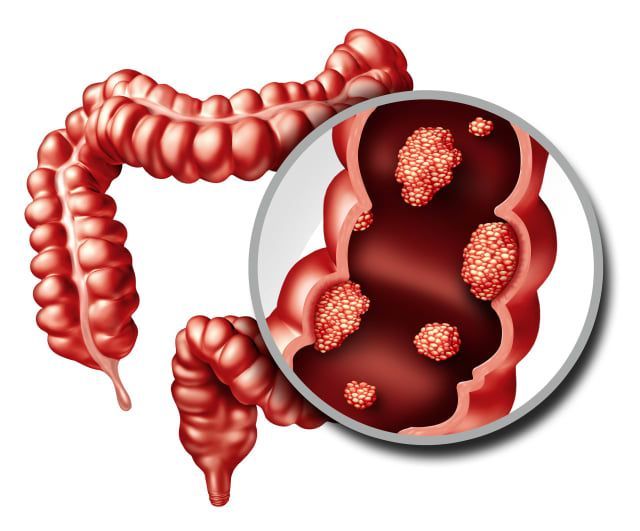
A colon cancer diagnosis usually arrives with more questions than answers: how advanced is it, is a stoma unavoidable, can it be done through keyhole surgery, and will chemotherapy be needed afterward. These are exactly the questions a proper surgical review should answer clearly, not in general terms, before you commit to a treatment plan in Dubai or anywhere else.
Fill out the form and our team will contact you shortly.
A colon cancer diagnosis usually arrives with more questions than answers: how advanced is it, is a stoma unavoidable, can it be done through keyhole surgery, and will chemotherapy be needed afterward. These are exactly the questions a proper surgical review should answer clearly, not in general terms, before you commit to a treatment plan in Dubai or anywhere else.
Dr. Ajeet Tiwari is an MCh surgical oncologist who reviews colon and rectal cancer cases for patients in Dubai, explains the surgical options in plain language, and puts together a treatment plan once your imaging and biopsy findings are properly assessed. This page walks through what that assessment covers and what the surgery and recovery actually involve.
Colon cancer is usually first identified through a colonoscopy, where a biopsy of a suspicious polyp or mass confirms the diagnosis under the microscope. From there, staging scans, typically a CT of the chest, abdomen and pelvis, and sometimes an MRI for rectal tumors, establish how deep the tumor has grown and whether it has spread to lymph nodes or distant organs. This staging is what actually determines the surgical plan, not the diagnosis alone.
A tumor in the right colon behaves differently in surgical planning than one in the rectum, mainly because of how close the rectum sits to the sphincter muscles that control bowel continence. This is precisely why rectal cancer surgery involves a more detailed conversation about function preservation than a right-sided colon cancer typically does.
Surgery for colon cancer, most often a resection of the affected bowel segment along with nearby lymph nodes, can usually be performed either through traditional open surgery or a laparoscopic, keyhole approach. The choice depends on tumor size, location and any prior abdominal surgery, and both approaches aim for the same oncological outcome, just through a different access route.
| Aspect | Open Surgery | Laparoscopic Surgery |
|---|---|---|
| Incision | One larger abdominal incision | Several small incisions with a camera-guided approach |
| Typical hospital stay | Around 6–8 days | Around 4–6 days for suitable cases |
| Recovery time | Slower initial mobility | Generally faster early recovery |
| Best suited for | Larger tumors, complex or prior-surgery cases | Most early to moderately advanced tumors without complications |
| Oncological outcome | Equivalent when performed correctly | Equivalent when performed correctly |
This is usually the single biggest concern patients raise. For most colon cancers, the bowel can be reconnected during the same operation, meaning no stoma is needed at all. For some rectal cancers, particularly those very close to the sphincter, a temporary stoma may be created to protect the healing bowel join and is typically reversed a few months later. A permanent stoma is only needed in a smaller number of cases where the sphincter cannot be safely preserved, and this is assessed and explained clearly before surgery, not left as a surprise afterward.
Cost depends on whether surgery alone is sufficient or chemotherapy is also needed, the surgical approach used, and length of hospital stay. A written cost estimate covering surgery, hospital stay and initial follow-up is provided once your staging is complete, giving you a specific figure to compare against options already available to you in Dubai.
Whether chemotherapy is needed after surgery depends on the final pathology report, specifically the stage and whether lymph nodes were involved.
Node-positive cancers and certain higher-risk features on the final pathology report usually call for a course of adjuvant chemotherapy to reduce the chance of recurrence, generally lasting a few months and planned around your recovery timeline.
Early-stage cancers confined to the bowel wall, without lymph node involvement, are often treated with surgery alone, followed by a structured surveillance schedule of scans and blood tests rather than additional treatment.
The same review process applies to patients researching colorectal cancer treatment from Riyadh, Jeddah and Kuwait. Colonoscopy, biopsy and staging scans already completed locally can be sent for review, followed by a video consultation to discuss the surgical plan and next steps, regardless of which GCC city you are writing in from.
Send your colonoscopy report, biopsy results and any staging scans through the online second opinion page. You will receive a clinical review followed by a video call to discuss the surgical approach, whether a stoma is likely to be needed, and what recovery and any further treatment would involve.
Find answers to common questions about colon cancer surgery, stoma management, surgical approaches, recovery, and cross-border consultations.