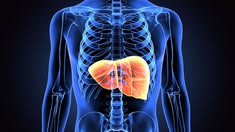
Gallbladder cancer may be detected through imaging or unexpectedly after gallbladder surgery for gallstones. Expert review helps determine the stage and appropriate next steps.
Fill out the form and our team will contact you shortly.
Gallbladder cancer may be diagnosed when imaging detects a suspicious mass or unexpectedly after routine gallbladder removal for gallstones. Both situations require prompt evaluation and a clear treatment plan based on the extent of the disease.
Dr. Ajeet Tiwari is an MCh Surgical Oncologist who reviews gallbladder cancer cases for patients in Dubai, including cancers found incidentally after gallstone surgery. He evaluates the diagnosis, determines whether further treatment is needed, and explains the surgical options clearly.
Gallbladder Cancer Found Before Surgery
When imaging or symptoms raise suspicion of gallbladder cancer before surgery, CT or MRI scans help assess the tumor's size, involvement of the liver or bile duct, and nearby lymph nodes. This staging determines the extent of surgery required rather than proceeding with a routine gallbladder removal.
Gallbladder cancer is sometimes discovered unexpectedly after a routine cholecystectomy for gallstones, when the pathology report shows cancer. The need for further treatment depends largely on how deeply the cancer has grown into the gallbladder wall during the initial surgery.
| Depth of Tumor Invasion | Typical Next Step |
|---|---|
| Very superficial (confined to the inner lining) | Original surgery may be considered complete; close monitoring follows |
| Invades the muscle layer | Radical cholecystectomy usually recommended, removing adjacent liver tissue and lymph nodes |
| Invades beyond the gallbladder wall | More extensive surgery, sometimes combined with additional liver resection, depending on extent |
Radical cholecystectomy removes a margin of liver tissue from the gallbladder bed along with nearby regional lymph nodes. If the original surgery was performed laparoscopically, the previous surgical port sites may sometimes also be removed as a precaution. This is more extensive than routine gallstone surgery and generally involves a longer hospital stay and recovery period.
The cost of gallbladder cancer treatment depends on whether it is a first surgery or a second, more extensive operation following an incidental cancer finding, and whether chemotherapy is recommended. A written cost estimate is provided after reviewing the pathology report and staging results.
Depending on the final stage and whether lymph nodes are involved, chemotherapy may be recommended after surgery to reduce the risk of recurrence. The need for chemotherapy is determined after the complete surgical pathology is available.
The same review process is available for patients seeking gallbladder cancer treatment from Riyadh, Jeddah and Kuwait, including those who have undergone gallstone surgery elsewhere and received an unexpected cancer diagnosis on their pathology report. Reports can be shared for review, followed by a video consultation to discuss the next steps.
Send your pathology report, imaging scans, and details of your previous surgery, if applicable, through the online second opinion page. You will receive a clinical review followed by a video consultation to discuss whether further surgery is needed and what the procedure may involve.
Find answers to common questions about gallbladder cancer, diagnosis, radical cholecystectomy, treatment, and international patient care.