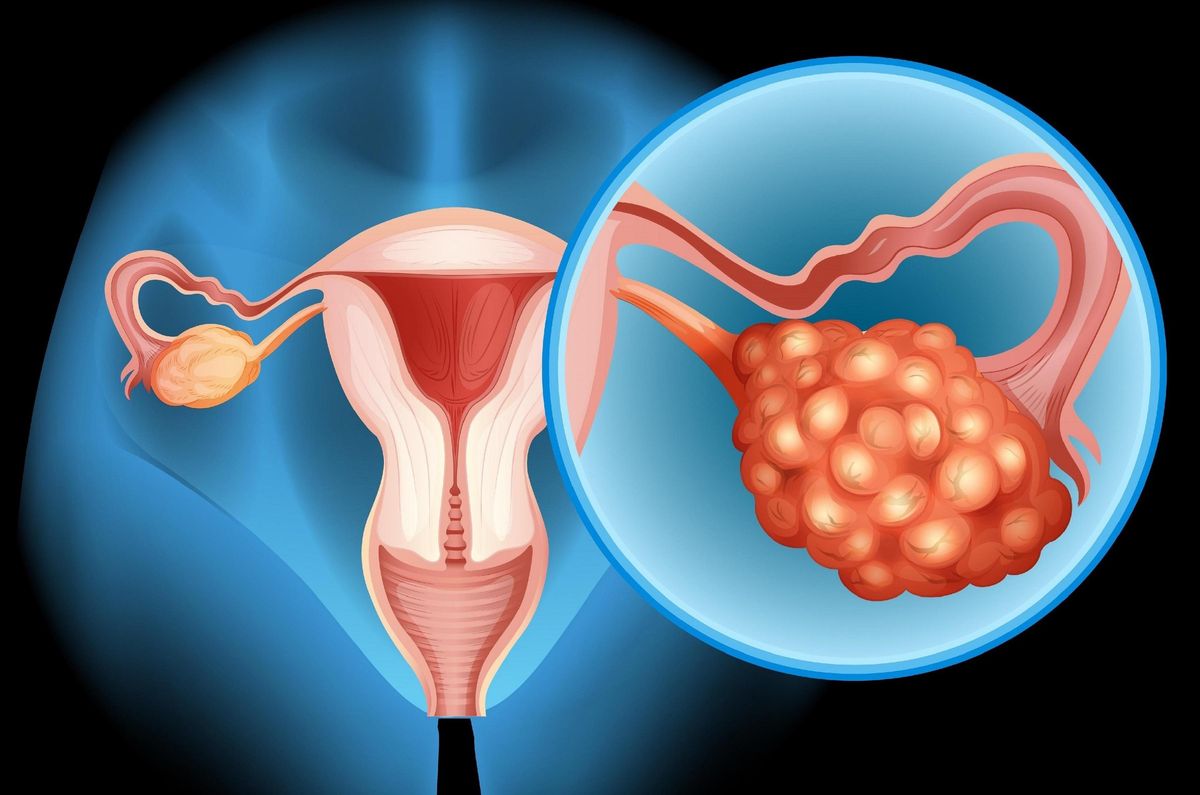
Cervical cancer is one of the more predictable cancers in terms of how it develops, almost always linked to persistent HPV infection, and often caught through routine screening before symptoms even appear. Early detection through regular screening can make a significant difference in understanding the disease and choosing the most appropriate treatment approach.
Fill out the form and our team will contact you shortly.
Cervical cancer is one of the more predictable cancers in terms of how it develops, almost always linked to persistent HPV infection, and often caught through routine screening before symptoms even appear. That earlier detection matters, because it opens up treatment options, including surgery that preserves fertility in the right circumstances, that simply are not available once the disease is more advanced. Getting an accurate stage is the first and most important step for patients in Dubai weighing their options.
Dr. Ajeet Tiwari is an MCh surgical oncologist who reviews cervical cancer cases for patients in Dubai, explains what the staging means for surgical eligibility, and sets out a clear treatment plan, whether that centers on surgery, radiotherapy, or a combination.
This page covers what that assessment involves, including fertility preservation and stage-specific treatment pathways.
Persistent infection with high-risk strains of the Human Papillomavirus (HPV) is responsible for the vast majority of cervical cancers. The condition typically progresses over several years through precancerous dysplastic changes, which routine Pap smears and HPV DNA testing are specifically designed to detect early. When abnormal lesions progress, a colposcopy and targeted biopsy confirm the histology, while clinical examination and imaging determine the precise stage.
Cervical cancer staging adheres to the international FIGO staging system. Staging represents the single most critical factor in establishing surgical eligibility, as locally advanced stages achieve superior outcomes with definitive chemoradiation rather than surgical intervention.
| Stage | Typical Treatment Approach |
|---|---|
| Very early, microscopic invasion | Fertility-sparing surgery may be considered for eligible candidates who wish to preserve future childbearing potential |
| Early stage, confined to the cervix | Radical hysterectomy with bilateral pelvic lymphadenectomy is the primary standard surgical approach |
| Locally advanced, spread beyond the cervix | Concurrent chemoradiation (external beam radiation plus brachytherapy with chemotherapy) is standard over upfront surgery |
| Advanced or spread to distant sites | Systemic chemotherapy combined with targeted therapy or immunotherapy, focused on disease control and symptom relief |
For carefully selected patients with early-stage disease desiring to retain childbearing capacity, a radical trachelectomy may be suitable. This procedure surgically removes the cervix and adjacent parametrial tissue while preserving the uterine corpus, enabling future pregnancy. Candidacy is determined by strict oncological parameters including tumor size, depth, and histology, rather than age alone.
When fertility preservation is not indicated, early-stage disease is treated with a radical hysterectomy. This comprehensive oncological procedure removes the uterus, cervix, upper vagina, surrounding parametrium, and regional pelvic lymph nodes to achieve complete negative margins. It involves wider margins and extensive lymph node clearance compared to a simple hysterectomy performed for benign conditions.
For locally advanced cervical cancer, chemoradiation—which pairs definitive radiotherapy with low-dose radiosensitizing chemotherapy—yields higher cure rates and lower complication risks than primary surgery. Radiation protocols are coordinated with multidisciplinary radiation oncology teams to ensure precision delivery.
Overall expenses vary depending on whether management entails radical surgical resection, fertility-sparing procedures, or definitive chemoradiation. A formal, itemized cost estimate covering hospital stay, operating theatre facilities, and adjunctive therapies is issued once staging verification is complete.
The second opinion service is available to patients evaluating gynecologic oncology management from Riyadh, Jeddah, and Kuwait. Colposcopy records, histopathology biopsy slides, and pelvic MRI staging reports can be submitted for thorough clinical evaluation prior to a scheduled video consultation.
Send your biopsy pathology, colposcopy reports, and pelvic MRI/CT scans through our online second opinion platform. You will receive an oncology review followed by a dedicated video consultation with Dr. Ajeet Tiwari to determine whether surgery, fertility-sparing options, or chemoradiation are indicated.
If you have a biopsy result, colposcopy finding, or staging scan and want to confirm whether surgery, fertility-sparing surgery, or chemoradiation applies to your case, submit your records before making final decisions.
Request Case ReviewFind answers to common questions about cervical cancer surgery, radical hysterectomy, fertility preservation, chemoradiation protocols, and regional patient care.